

Oregon has a way of catching you off guard. One minute you’re in the middle of Portland’s busy streets, and a couple of hours later you’re standing at the base of a waterfall with no one else in sight. That shift—from lively city to peaceful wild—is what makes Oregon stick with you. A lot of people just follow the beaten path, but there’s a whole other layer of beauty hiding just off those main roads.
This guide is all about those quieter corners. Not the typical postcard stops. If you’re thinking about hitting the road or just want some new, unique places to check out, these hidden Oregon gems give you something different. They’re not crowded, not overhyped—just honestly beautiful.
The drive from Portland to Bend takes you through forests, mountains, and wide-open high desert. Along the way, there are turn-offs—little backroads—that lead to some unreal views.
Here are seven spots worth pulling over for:
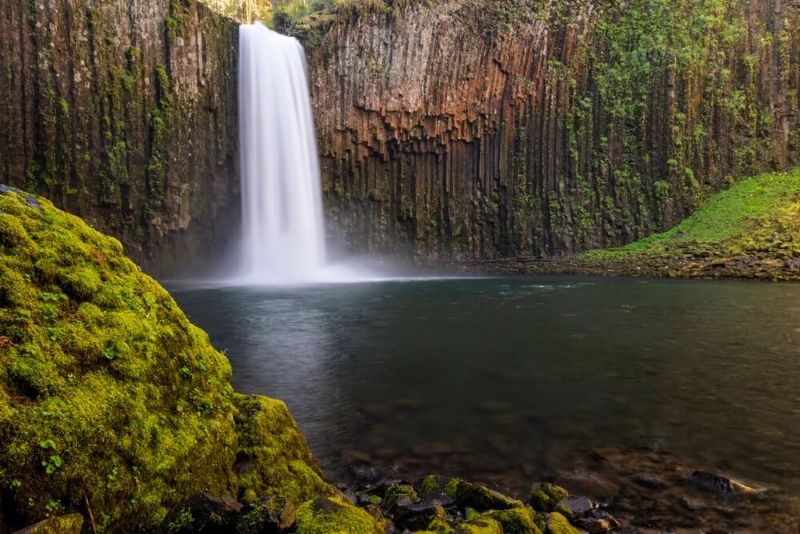
Deep in a basalt canyon, Abiqua Falls feels straight out of a movie. The hike’s short but steep and gets pretty slick after rain, so watch your step. But when you make it down, you’re met with a wide rush of water surrounded by mossy cliffs.
It’s quiet. There are far fewer people than at some of the other waterfalls near Portland. If you want something that feels wild and untouched, start here.
Everyone seems to know Silver Falls State Park, but here’s a little secret: most folks never leave the Trail of Ten Falls. Try the Upper North Canyon Trail instead. It’s calmer, with far fewer people, and you’re still wrapped in a beautiful forest.
Waterfalls? Yep, you’ll see some, but without the crowd. Sometimes, the best moments are just a short walk off the busy path.
Lost Lake almost feels unreal. On a calm morning, Mount Hood’s reflection turns the surface into a glassy mirror. It looks like a scene out of a dream, the kind of thing people drive across the country for.
But it’s often quieter than you’d expect. Bring a kayak if you can, or just sit at the edge and soak it in. Either way, this spot lingers in your memory.
You’ve probably seen pictures of the Columbia River Gorge, but Rowena Crest is a different angle on it all. The drive up—full of winding curves through golden hills—might be the best part, especially in late spring when everything’s green and blooming.
Once you’re at the top, the river and cliffs stretch out in front of you. It’s dramatic, but not overwhelming, and if you go early, it’s practically empty.
Tamolitch Blue Pool isn't your typical river stop. The water practically glows, this wild shade of blue, and it’s so clear you see right to the bottom.
The trail runs alongside the McKenzie River and feels easygoing. Just know the water’s not for swimming—it’s icy cold, even on a warm day. But as a place to see? It’s unforgettable.
Close by the Blue Pool, Proxy Falls is another change of pace. The waterfall splits into streams, sliding over the rocks and moss. It’s delicate, layered—the kind of thing you can just stand and watch.
The loop trail is quick, a good stop if you’re driving through, but once you’re there, you’ll probably want to stay a little longer.
Smith Rock State Park gets all the hype with climbers, but there’s a quiet side, too. Most people stay at the main lookouts. If you explore a bit, though, you can find lesser-known spots right on the Crooked River.
These spots let you see the rock towers from a different angle, away from the buzz. Just a small detour, and it completely changes how you see the place.
Don't Miss: Top Places to Visit in Portland, Oregon, And Best Time To Go
Traveling through Oregon isn’t just about the stops; it’s how you connect them. Distances are longer than you’d think, and the weather flips fast, especially up in the mountains.
Spring and early fall work best for most of these places. You dodge summer crowds but still catch good weather. Winter’s got its own charm, but some roads shut down or need tire chains, so watch for that.
Suggested Reading: Portland Farmers Markets for Local Flavors, Crafts & More
Sure, Oregon has big-name landmarks, but most of its magic hides in smaller moments.
Stop at that little fruit stand. Take a random forest side trail. Pull over for the sunset, even if it’s not on your schedule. These moments just sneak up on you and often become your favorite memories.
Oregon’s food scene is fresh and inventive. Sip coffee in Portland, fill a basket with berries in the Willamette Valley, or grab a craft beer in Bend. The food brings another layer to your trip—don’t skip it.
On one trip, you might hike in dense woods, kayak on a mountain lake, walk among volcanic rocks, and end up on a coastal cliff. That much variety isn’t something you find everywhere.
Also Read: Portland Nightlife: Rooftop Bars, Music Clubs, and Treats
Oregon isn’t just a place to visit—it’s a bunch of experiences sewn together, from deep forests to high mountains, rushing rivers to empty backroads. Sure, you’ll find big attractions, but the small hidden gems are where the deeper stories live. Secluded waterfalls, calm viewpoints—they make your trip yours.
Next time you’re planning a trip through Oregon, give yourself permission to wander off the main route. The best places are often the ones that catch you by surprise.
For most travelers, late spring through early fall is the best time to go. The weather is usually consistent, and roads are easier to reach. While springtime brings waterfalls to life with a greater flow, fall adds lovely foliage.
Yes, the majority of these locations are suitable for families, while certain walks, like Abiqua Falls, call for caution. Before going out, especially with children, make sure the path is safe and clear.
Indeed, owning a car is practically necessary. Many of these places are off major thoroughfares and inaccessible by public transportation. You may go to far-off places and have freedom with a car.
For a laid-back experience, a journey of four to six days is ideal. This allows you ample time to discover hidden locations, savor regional cuisine, and take breaks without having to rush the trip.
This content was created by AI